

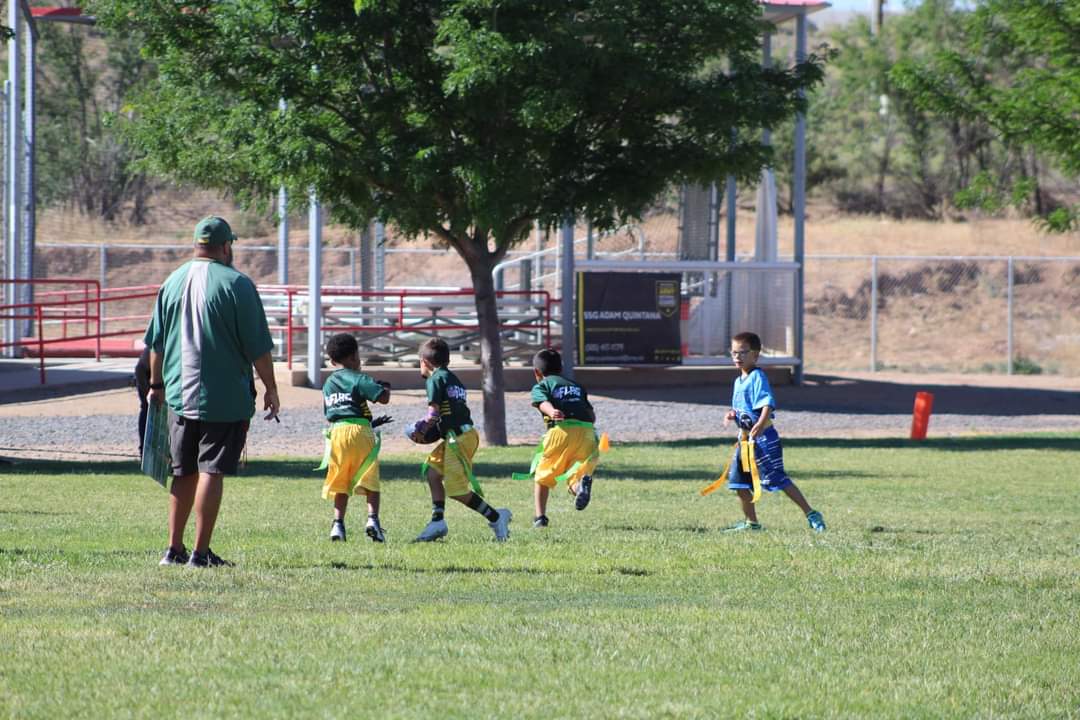
Have you ever watched a young athlete’s face light up when they make their first successful flag pull? That moment of pure joy, untainted by fear of collision, might just represent the future of American football.
The landscape of youth sports is shifting dramatically, and flag football is leading the charge. What was once considered a “softer” alternative to tackle football is now emerging as a legitimate pathway that could reshape how we think about America’s favorite sport.
The Safety Revolution That’s Changing Everything
Let’s address the elephant in the room: concussions and long-term brain injuries. Recent studies have shown that tackle football players face significantly higher risks of traumatic brain injuries, with youth players being particularly vulnerable during their developmental years.
Flag football eliminates the most dangerous aspect of traditional football – the collision. When players can’t tackle by bringing opponents to the ground, the risk of head-to-head contact drops to nearly zero. This isn’t just about preventing immediate injuries; it’s about protecting developing minds.
Consider this: flag football programs have seen explosive growth with over 1.5 million participants nationwide. Parents who once hesitated to let their children play football are now embracing this safer alternative with enthusiasm.
Breaking Down Barriers: Accessibility and Inclusion
Flag football is democratizing the sport in ways tackle football never could. Here’s why:
Physical Inclusivity
- Size doesn’t determine success – smaller, quicker players can excel alongside larger teammates
- Gender integration becomes natural and effective
- Different body types find their niche in various positions
Economic Accessibility
Traditional tackle football requires expensive equipment:
- Helmets: $200-$400
- Shoulder pads: $100-$300
- Additional protective gear: $200+
Flag football needs minimal equipment:
- Flags and belt: $15-$25
- Basic cleats: $50-$100
- Uniform: $30-$50
This cost difference means more families can participate, expanding the talent pool and creating opportunities for athletes who might otherwise be excluded.
Skill Development: The Pure Game
Here’s where flag football truly shines – it forces players to develop fundamental skills rather than relying on physical dominance.
Flag football emphasizes:
- Precise route running – receivers must be exact in their patterns
- Quick decision-making – quarterbacks have limited time in the pocket
- Agility and speed – defenders must rely on positioning and quickness
- Strategic thinking – without the option to overpower opponents, teams must outthink them
Professional scouts are taking notice. Several NFL players, including Russell Wilson and Michael Vick, have credited flag football with developing their field vision and quick-release throwing abilities.
The Numbers Don’t Lie: Flag Football’s Meteoric Rise
The statistics paint a compelling picture:
- Youth participation in tackle football has declined by 20% over the past decade
- Flag football participation has increased by 38% in the same period
- High school programs are adding flag football at unprecedented rates
- College scholarships for flag football are emerging across the country
The International Federation of American Football now recognizes flag football as an official sport, with plans for Olympic inclusion under serious consideration.
Professional Leagues: Legitimizing the Sport
The landscape is evolving rapidly with professional opportunities emerging:
- American Flag Football League (AFFL) offers competitive play for adults
- Professional Flag Football Federation provides structured seasons and championships
- Corporate leagues are sponsoring teams and tournaments nationwide
These developments signal that flag football isn’t just a youth activity – it’s becoming a legitimate sport with career potential.
Educational Institutions Leading the Change
Forward-thinking schools and universities are embracing flag football:
High School Programs
- Title IX compliance becomes easier with co-ed flag football
- Lower insurance costs reduce the financial burden on athletic departments and football clubs
- Increased participation boosts overall athletic engagement
College Initiatives
Several universities now offer flag football as an official sport, with scholarship opportunities growing annually. This creates a clear pathway from youth participation to higher education.
The Health Professional Perspective
Sports medicine experts are increasingly recommending flag football as a safer alternative. Dr. Sarah Mitchell, a pediatric sports medicine specialist, notes: “Flag football allows young athletes to develop the cognitive and physical skills associated with football while significantly reducing injury risk. It’s a win-win scenario.”
The American Academy of Pediatrics has endorsed flag football as a safer alternative for youth under 14, citing reduced concussion rates and lower overall injury statistics.
Addressing the Critics: What About Toughness?
Some traditionalists argue that flag football lacks the “toughness” that makes football special. This perspective misses a crucial point: mental toughness is just as valuable as physical toughness.
Flag football develops:
- Resilience through competitive play
- Teamwork through strategic coordination
- Leadership through on-field decision-making
- Perseverance through skill development
These qualities transfer to all aspects of life, making flag football participants well-rounded individuals.
The Technology Factor
Modern flag football incorporates technology that enhances the experience:
- Electronic flags that register pulls automatically
- GPS tracking for performance analysis
- Video analysis tools for skill development
- Mobile apps for league management and statistics
This technological integration appeals to today’s digitally-native youth while providing valuable data for improvement.
Looking Ahead: The Future is Bright
The trajectory is clear: flag football is positioned to become a major force in American sports. Several factors support this prediction:
Generational Shift
- Millennial and Gen Z parents prioritize safety over tradition
- Youth athletes are choosing flag football in increasing numbers
- Social media influence showcases exciting flag football highlights
Institutional Support
- NFL investment in flag football programs continues to grow
- Youth sports organizations are pivoting toward safer alternatives
- Insurance companies offer better rates for flag football programs
Cultural Evolution
Society’s understanding of sports-related injuries has evolved dramatically. The conversation has shifted from “playing through pain” to “playing smart.” Flag football represents this new philosophy perfectly.
Making the Transition: Practical Steps
For organizations considering the switch or addition of flag football:
Start Small:
- Introduce flag football as a supplementary program
- Offer co-ed leagues to maximize participation
- Partner with local schools for facility sharing
Build Community:
- Host family-friendly tournaments
- Create social media presence showcasing highlights
- Develop mentorship programs with experienced players
Invest in Quality:
- Purchase high-quality flags and equipment
- Train knowledgeable officials
- Establish clear rules and safety protocols
The Ripple Effect: Beyond the Field
Flag football’s impact extends far beyond sports:
- Academic performance often improves due to increased physical activity
- Social skills develop through team interaction
- Confidence building occurs through skill mastery
- Leadership opportunities emerge naturally
These benefits create well-rounded individuals who contribute positively to their communities.
Ready to explore flag football opportunities? Whether you’re a parent considering options for your child, a coach looking to expand your program, or an administrator evaluating safer alternatives, flag football offers a compelling solution.
The future of football might look different than its past, but it promises to be more inclusive, safer, and just as exciting. Flag football isn’t replacing the essence of the game – it’s preserving it while removing the elements that cause harm.
What role will you play in shaping the future of football?
[Contact NM Football Academy for Training Options →]
Don Jackson is a youth sports advocate, football coach, and former collegiate football player who has dedicated his career to promoting safer alternatives in youth athletics. Connect with him at NMFootballAcademy.com for more insights on modern football training and development in flag football and tackle football.